Skip to content

Wilderness Medicine Courses

Learn essential first aid skills for outdoor adventures

Wilderness First Responder
Hybrid
Wilderness First Responder
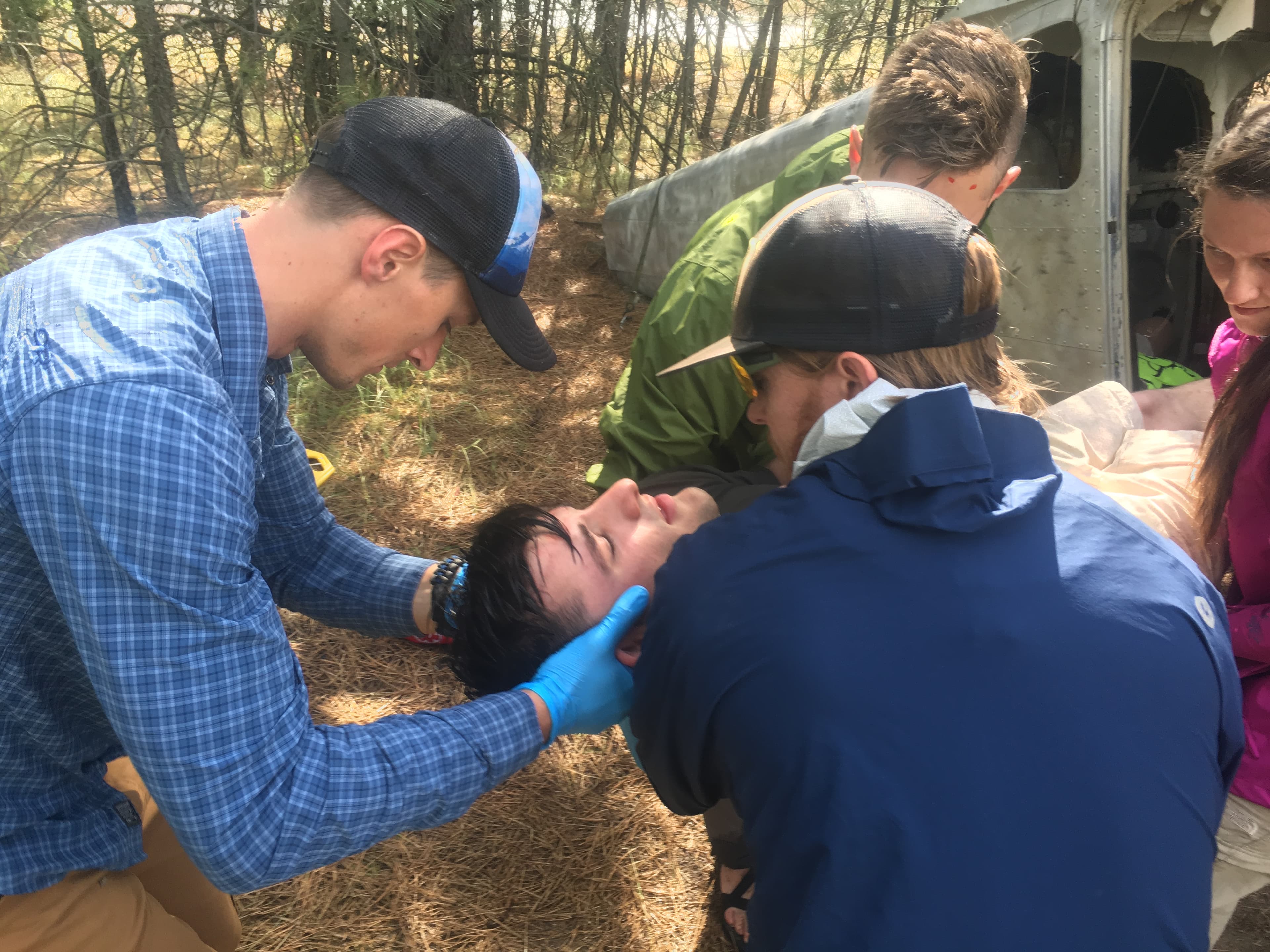
The Wilderness First Responder course is the industry standard for outdoor professionals and serious backcountry travelers who need to make critical medical decisions far from definitive care. Over the course of this intensive, hands-on training, you'll learn to assess and manage medical emergencies in remote and austere environments — where help may be hours or days away and equipment is limited to what you're carrying. Who it's for This course is designed for guides, outdoor educators, search and rescue volunteers, expedition leaders, camp staff, and anyone who spends significant time in remote wilderness settings. No prior medical training is required. What you'll learn Patient assessment systems for wilderness settings Trauma management: fractures, dislocations, wounds, and spinal injuries Environmental emergencies: hypothermia, heat illness, altitude sickness, lightning, and near-drowning Medical emergencies: cardiac events, allergic reactions, diabetic emergencies, and more Improvised splinting, wound care, and evacuation techniques Long-term patient care and decision-making when evacuation is delayed Leadership, risk management, and group dynamics during a crisis Format This course combines online, self-paced instruction with realistic outdoor scenarios, moulage (simulated injuries), and mock rescues, so you leave with practical, muscle-memory-level skills — not just textbook knowledge. Certification Upon successful completion, you'll receive a WFR certification valid for 2 years as well as a BLS certification from the American Heart Association.
4 days in person
$750

Next session: Jun 6, 2027 – Jun 9, 2027

Wilderness First Aid
In-person
Wilderness First Aid
When you're hours from the trailhead and help is far away, what you know matters most. This Wilderness First Aid course gives outdoor enthusiasts, trip leaders, camp staff, and backcountry travelers the skills and confidence to assess, treat, and manage medical emergencies in remote settings — where resources are limited and evacuation may take hours or even days. Who it's for Hikers, backpackers, paddlers, climbers, hunters, scout and youth leaders, camp counselors, outdoor educators, and anyone who spends time beyond the reach of quick medical care. No prior medical training is required. What you'll learn Patient assessment: a systematic approach to scene safety, primary and secondary surveys, vital signs, and patient history Life threats: airway management, severe bleeding control, shock, and basic CPR in a wilderness context Trauma: head and spinal injuries, chest injuries, fractures, sprains, dislocations, and improvised splinting Wound care: cleaning, dressing, and managing wounds, burns, and blisters, plus infection prevention Environmental emergencies: hypothermia, heat illness, lightning, altitude illness, near-drowning, and bites and stings Medical emergencies: allergic reactions and anaphylaxis, asthma, diabetic emergencies, seizures, and chest pain Decision-making: when to stay, when to go, evacuation planning, and communicating with outside help Prevention and preparation: trip planning, first aid kit building, and keeping your group healthy Format This course blends classroom instruction with extensive hands-on practice. Much of your time is spent outdoors working through realistic scenarios with simulated patients, so you leave ready to respond to real situations — not just pass a test. Certification Upon attending the full course and passing the practical and written assessments, you'll receive a Wilderness First Aid certification valid for 2 years. What to bring Weather-appropriate clothing you don't mind kneeling or lying on the ground in, rain gear and layers, a water bottle, lunch and snacks, and a notebook. Expect to be outside for part of each day, rain or shine.
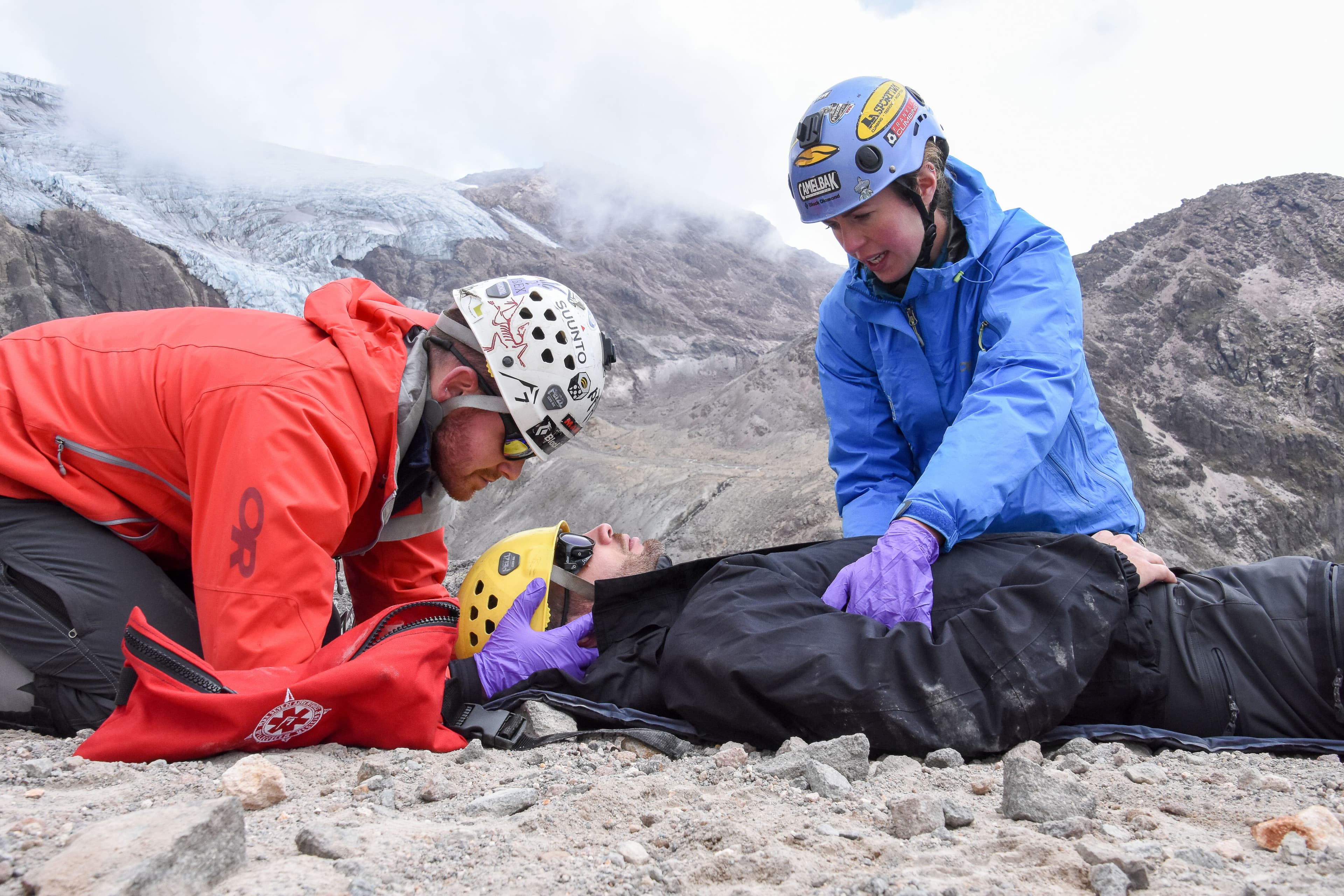
3 days in person
$250
Heartsaver CPR/First Aid
In-person
Heartsaver CPR/First Aid
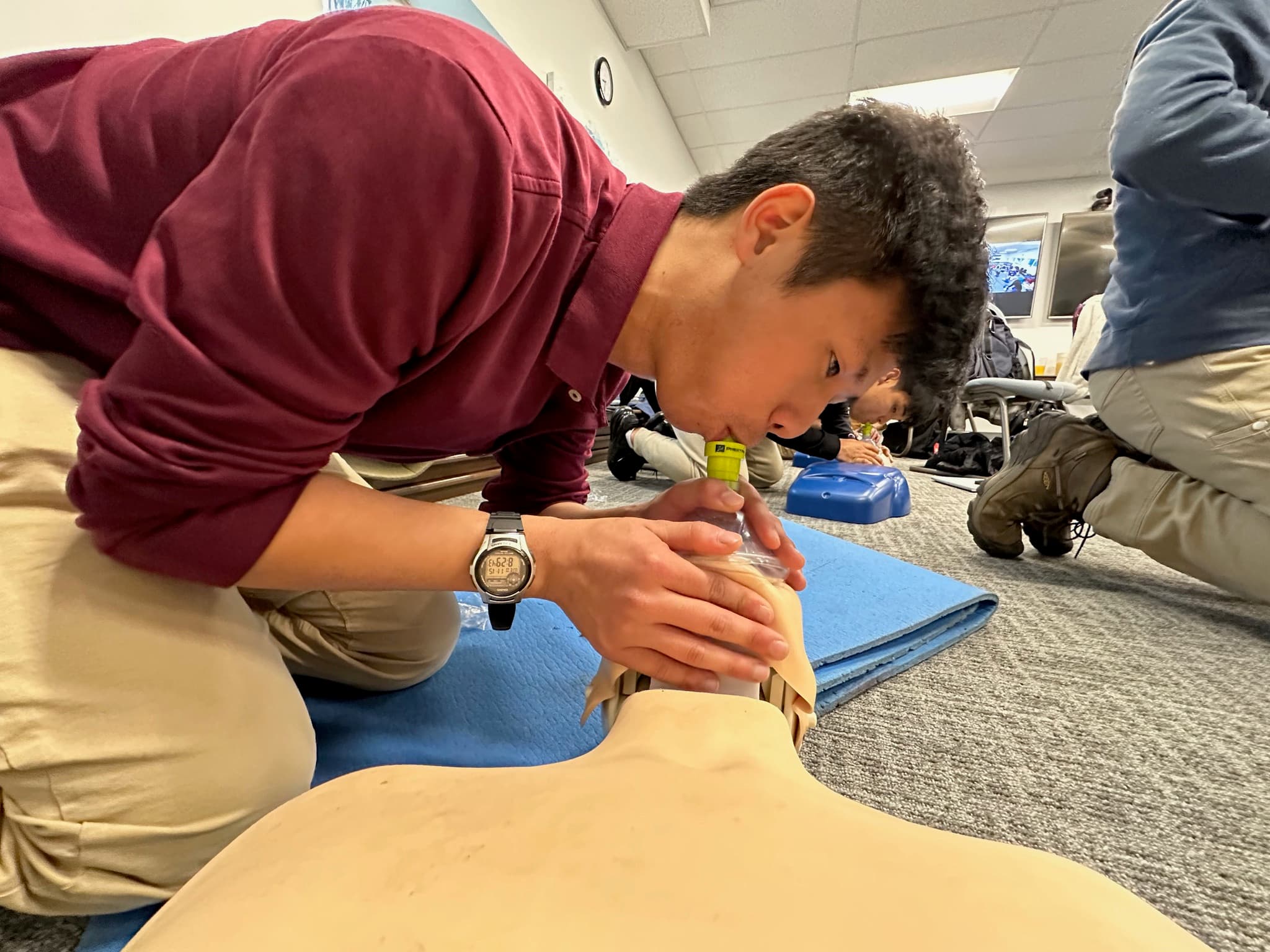
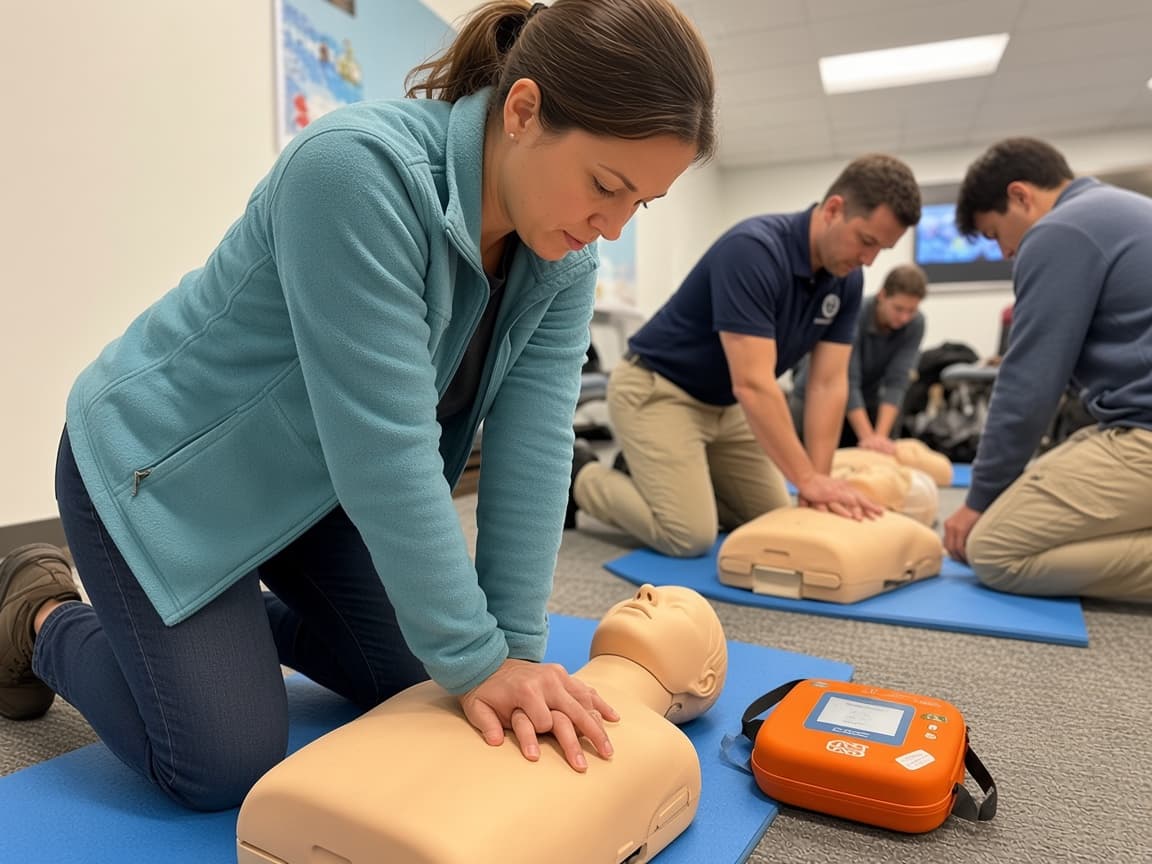
Heartsaver CPR/First Aid is the American Heart Association's combined CPR, AED, and first aid course for lay rescuers. You'll gain the skills and confidence to act in the first critical minutes of an emergency — at work, at home, or out in your community — until professional help arrives. Who it's for Teachers, coaches, childcare providers, camp staff, personal trainers, construction and industrial workers, parents, and anyone who needs a CPR and first aid certification for work or wants to be prepared. No prior training is required. What you'll learn CPR and AED: recognizing cardiac arrest, giving high-quality chest compressions and breaths, and using an AED Choking relief: helping someone who is choking First aid basics: scene safety, calling for help, and protecting yourself Medical emergencies: breathing problems, allergic reactions and epinephrine auto-injectors, heart attack, stroke, fainting, diabetes and low blood sugar, and seizures Injury emergencies: severe bleeding and tourniquets, wounds, burns, head, neck, and spine injuries, and broken bones and sprains Environmental emergencies: heat and cold emergencies, bites and stings, and poisoning Format Instructor-led and hands-on, with plenty of time practicing CPR on manikins and working through realistic first aid scenarios. Certification Upon successful completion, you'll receive an American Heart Association Heartsaver CPR AED First Aid eCard, valid for 2 years.
6 hours in person
$120